
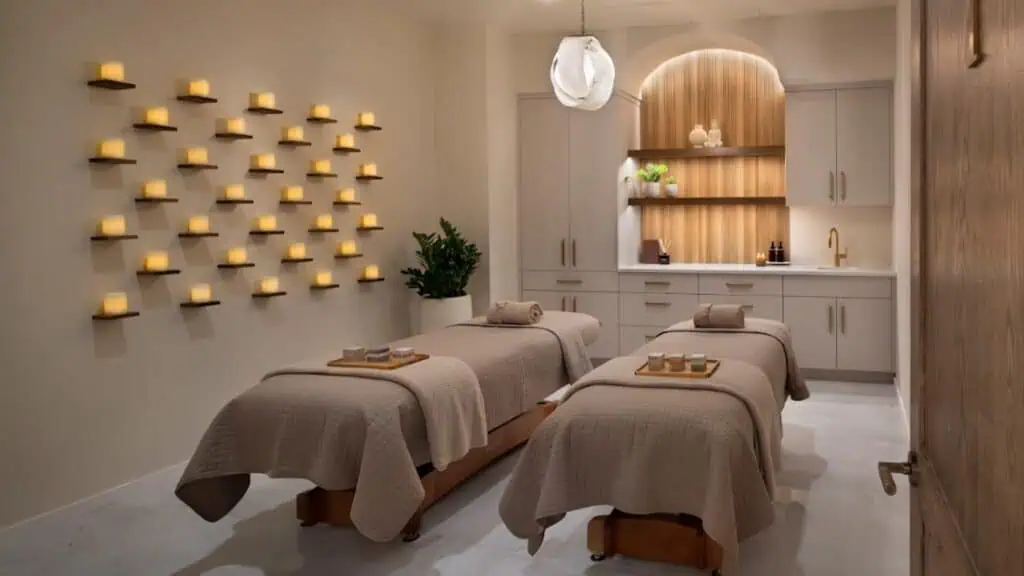
In today’s fast-paced lifestyle, stress, fatigue, and mental exhaustion have become common problems for many people. Finding time to relax and restore balance is essential for maintaining overall health and wellbeing. One of the most effective ways to achieve this is through professional spa treatments. Spa therapies are designed not only to relax the body but also to calm the mind and rejuvenate the spirit. From traditional massages to modern wellness therapies, spa treatments offer a wide range of benefits that help individuals feel refreshed and revitalized.
One of the most popular For facials Lynchburg call Hill City Skincare & Spray Tans. is the Swedish massage. This technique uses gentle to moderate pressure with long, flowing strokes to improve circulation and reduce muscle tension. It is ideal for beginners or anyone looking to relieve everyday stress. Swedish massage helps in increasing oxygen levels in the blood, improving flexibility, and promoting a deep sense of relaxation. Many spa-goers choose this treatment as a foundation for their wellness routine because of its soothing and calming effects.
Another highly effective treatment is the deep tissue massage. Unlike Swedish massage, deep tissue therapy focuses on the deeper layers of muscles and connective tissues. It is especially beneficial for individuals who suffer from chronic pain, stiffness, or injuries. By applying slow and firm pressure, therapists can break down muscle knots and improve mobility. Although it may feel intense during the session, deep tissue massage provides long-lasting relief and significantly improves physical well-being.
Aromatherapy massage is another favorite among spa enthusiasts. This treatment combines the power of touch with the healing properties of essential oils. Scents like lavender, eucalyptus, and chamomile are commonly used to enhance relaxation and reduce anxiety. Each essential oil has unique therapeutic benefits that can uplift mood, improve sleep quality, and boost energy levels. Aromatherapy not only relaxes the body but also creates a sensory experience that promotes emotional balance.
Hot stone massage is a luxurious spa treatment that uses smooth, heated stones placed on specific points of the body. The warmth of the stones helps relax tight muscles and allows the therapist to work deeper into muscle layers without discomfort. This treatment is known for improving blood circulation and reducing stress levels. Many people find hot stone massage deeply comforting, especially during colder seasons when the body needs extra warmth and relaxation.
Facial treatments are also an essential part of spa wellness. A professional facial involves cleansing, exfoliating, and nourishing the skin to improve its appearance and health. Facials help remove dead skin cells, unclog pores, and promote healthy skin renewal. Depending on skin type, spa professionals may use different masks and serums to address concerns such as dryness, acne, or aging. Regular facial treatments can result in glowing, youthful, and refreshed skin.
Body scrubs and exfoliation treatments are another excellent way to rejuvenate the skin. These treatments remove dead skin cells and improve blood circulation, leaving the skin smooth and radiant. Natural ingredients such as sea salt, sugar, coffee, or herbal blends are often used to enhance the exfoliation process. Body scrubs not only improve skin texture but also prepare the body for better absorption of moisturizers and other skincare products.
Hydrotherapy is a unique spa treatment that uses water in various forms such as steam baths, hot tubs, and cold plunges. This therapy helps in detoxifying the body, improving circulation, and relieving muscle tension. Alternating between hot and cold water can stimulate the immune system and boost energy levels. Hydrotherapy is widely used in wellness centers for its overall health benefits and its ability to restore physical and mental balance.
For those seeking complete relaxation, spa packages often combine multiple treatments for a full wellness experience. These packages may include massage, facial, body scrub, and aromatherapy sessions. Combining treatments allows the body to experience deeper relaxation and long-lasting benefits. Many luxury spas design customized packages based on individual needs to ensure maximum comfort and satisfaction.
In addition to physical benefits, spa treatments also have a strong impact on mental health. They help reduce stress hormones, improve sleep patterns, and enhance mood. Regular spa visits can contribute to a healthier lifestyle by promoting mindfulness and self-care. Taking time out for oneself in a peaceful spa environment can significantly improve overall happiness and productivity.
In conclusion, spa treatments offer a perfect blend of relaxation, healing, and rejuvenation. Whether it is a soothing massage, refreshing facial, or detoxifying hydrotherapy session, each treatment plays an important role in improving overall wellness. Incorporating spa visits into your routine can help you achieve a balanced and healthier lifestyle. Prioritizing self-care through spa therapy is not just a luxury but a necessity in today’s stressful world.
