
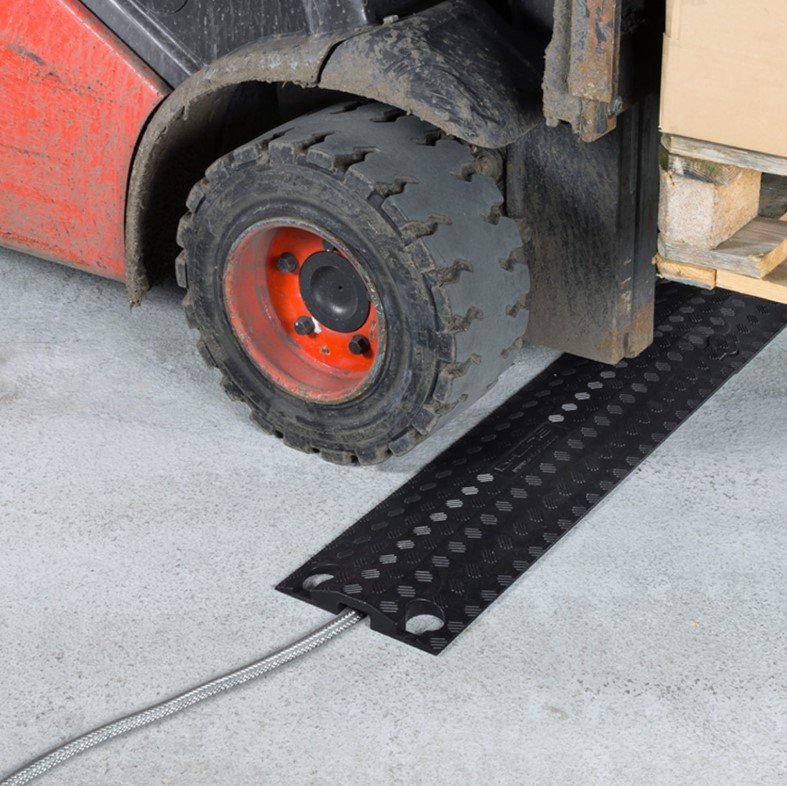
Outdoor environments can be harsh on electrical and data cables. Rain, humidity, dust, and even physical pressure from vehicles or foot traffic can quickly damage exposed wires. This is where Cable protectors play a vital role. Designed to shield cables from environmental hazards, waterproof cable protectors offer a reliable solution for maintaining safety, durability, and organization in outdoor spaces.
In this article, we’ll explore how waterproof cable protectors work, their key benefits, and how to choose the best option for your outdoor cable management needs.
Why Outdoor Cable Protection Matters
Cables installed outdoors face constant exposure to unpredictable conditions. Water infiltration alone can lead to short circuits, corrosion, and system failures. Without proper protection, even high-quality cables can deteriorate quickly.
Using Cable protectors ensures that cables remain safe from moisture, UV rays, and physical damage. Whether it’s for residential, commercial, or industrial use, investing in waterproof protection can save both time and money in the long run.
What Are Waterproof Cable Protectors?
Waterproof cable protectors are specially engineered coverings or channels designed to encase cables and prevent water from reaching them. These protectors are typically made from durable materials such as rubber, PVC, or heavy-duty polyurethane, which are resistant to water and environmental wear.
Unlike standard protectors, waterproof Cable protectors are sealed or designed with drainage systems that keep water away from the cables. They are commonly used in outdoor events, construction sites, gardens, and industrial facilities.
Key Features of Waterproof Cable Protectors
1. Water Resistance and Sealing
The primary feature of waterproof Cable protectors is their ability to repel water. Many models include tight-sealing lids or interlocking systems that prevent water entry.
2. Durable Construction
Outdoor environments demand strong materials. Waterproof protectors are built to withstand extreme temperatures, heavy loads, and prolonged exposure to sunlight.
3. Anti-Slip Surface
Safety is crucial in outdoor settings. Most Cable protectors come with textured or anti-slip surfaces to prevent accidents, especially in wet conditions.
4. UV Protection
Sunlight can degrade materials over time. High-quality waterproof protectors include UV-resistant coatings to maintain durability.
5. Easy Installation
Many waterproof Cable protectors feature modular designs, allowing users to connect multiple units easily for longer cable runs.
Benefits of Using Waterproof Cable Protectors
Enhanced Safety
Exposed cables can be hazardous, especially in wet environments. Waterproof Cable protectors reduce the risk of electrical accidents and tripping hazards.
Increased Cable Lifespan
Moisture is one of the biggest threats to cables. By using waterproof protection, you can significantly extend the lifespan of your cables.
Improved Organization
Outdoor cable setups can quickly become messy. Cable protectors help keep cables neatly arranged and easy to manage.
Cost Efficiency
Replacing damaged cables can be expensive. Investing in waterproof protectors minimizes maintenance and replacement costs.
Common Applications
Construction Sites
Heavy machinery and harsh weather conditions make construction sites one of the most demanding environments. Waterproof Cable protectors ensure cables remain intact and safe.
Outdoor Events
Concerts, festivals, and public gatherings often require extensive cable setups. Protectors help prevent water damage and ensure smooth operations.
Residential Use
Homeowners use waterproof Cable protectors for garden lighting, outdoor power tools, and extension cords.
Industrial Facilities
Factories and warehouses often have outdoor sections where cables need reliable protection from the elements.
Types of Waterproof Cable Protectors
Rubber Cable Protectors
Rubber protectors are highly durable and flexible. They are ideal for areas with heavy foot or vehicle traffic.
Plastic (PVC) Protectors
PVC options are lightweight and cost-effective. They work well for less demanding environments.
Heavy-Duty Polyurethane Protectors
These are designed for extreme conditions and can تحمل significant وزن and pressure. They are commonly used in industrial settings.
How to Choose the Right Waterproof Cable Protector
Assess the Environment
Consider where the cables will be used. High-traffic areas require stronger Cable protectors, while lighter options may suffice for residential use.
Check Load Capacity
If vehicles or heavy equipment will pass over the cables, choose protectors with high load-bearing capacity.
Evaluate Weather Conditions
For areas with heavy rainfall or extreme sunlight, ensure the protector is both waterproof and UV-resistant.
Determine Cable Size and Quantity
Select a protector that can accommodate the number and thickness of your cables.
Look for Safety Features
Anti-slip surfaces and bright colors can improve visibility and reduce accidents.
Installation Tips for Maximum Effectiveness
Proper installation is essential to get the most out of waterproof Cable protectors.
- Clean the surface: Ensure the ground is free of debris before installation.
- Secure the protector: Use connectors or fasteners if necessary to keep it in place.
- Avoid overloading: Do not exceed the recommended capacity.
- Inspect regularly: Check for wear and tear to maintain optimal performance.
Maintenance and Care
Even the best waterproof Cable protectors require regular maintenance. Cleaning them periodically helps remove dirt and debris that could affect performance. Inspect seals and joints to ensure water resistance remains intact.
Replacing worn-out protectors promptly can prevent potential hazards and maintain the integrity of your cable system.
Future Trends in Cable Protection
As technology advances, Cable protectors are becoming more sophisticated. Innovations include smart monitoring systems that detect damage or moisture levels, as well as eco-friendly materials that reduce environmental impact.
These advancements are making cable management more efficient, sustainable, and user-friendly.
Conclusion
Managing cables outdoors doesn’t have to be a challenge. With the right waterproof Cable protectors, you can ensure safety, durability, and organization in any environment. From construction sites to backyard setups, these protectors offer a practical solution to one of the most common issues in cable management.
By understanding your needs and choosing high-quality materials, you can protect your cables from water damage and extend their lifespan. Investing in reliable Cable protectors is not just a smart choice—it’s an essential step toward efficient and safe outdoor operations.
