
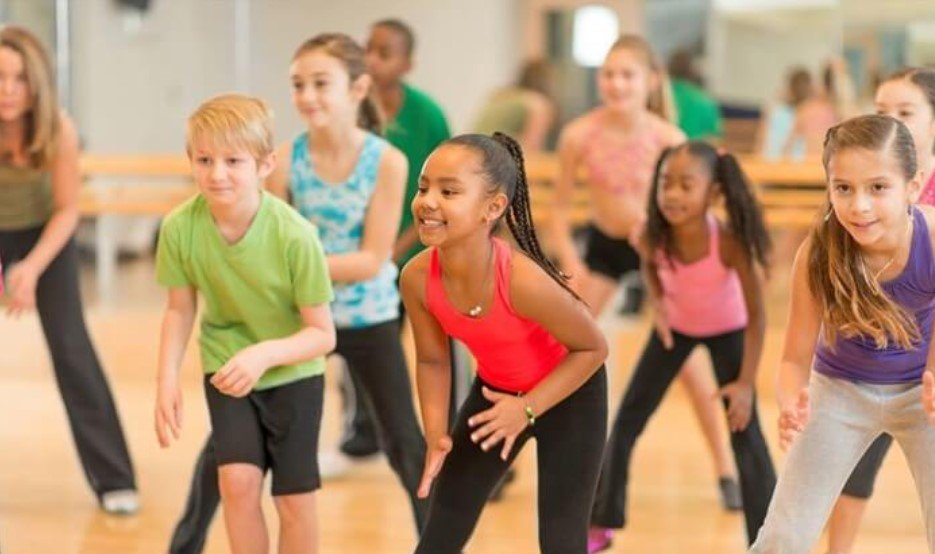
A child stepping into a dance studio for the first time often carries a mix of curiosity, excitement, and hesitation. But within a few sessions, something changes—timid movements turn into bold steps, and shy expressions transform into confident smiles. That’s the power of movement-based learning, especially when it comes to structured urban dance training designed for young learners. A well-designed Hip hop dance class for kids does more than teach choreography; it builds self-expression, discipline, coordination, and rhythm in a way that feels natural and fun.
Why Hip hop Dance Matters for Children
Hip hop is not just a dance style—it’s a cultural form of storytelling through movement. When children learn it, they are not only memorizing steps but also developing physical awareness and emotional expression.
A structured Hip hop dance class for kids helps children:
Improve coordination and balance
Strengthen memory through choreography learning
Develop musical timing and rhythm awareness
Build confidence in performing in front of others
Enhance creativity through freestyle movement
Unlike traditional sports that focus only on competition, hip hop dance encourages individuality. Every child is allowed to move in their own way while still learning structure and discipline.
How Hip hop Dance Builds Confidence Fast
Confidence in children often grows when they feel capable and recognized. Dance provides both. In a supportive studio environment, even small progress—like mastering a simple groove—receives positive reinforcement.
In a quality Hip hop dance class for kids, instructors use progressive learning methods:
Simple warm-up grooves to reduce anxiety
Basic footwork patterns to build foundation
Short combinations to improve memory
Freestyle moments to encourage self-expression
Group performances to boost teamwork confidence
As children repeat these cycles, they start believing in their abilities. Performing even a short routine in front of peers gives them a sense of achievement that carries into school, social life, and other activities.
Key Elements of the Best Hip hop Dance Class for Kids
Not all dance programs offer the same quality. The best ones are designed with child development in mind rather than just choreography.
A strong Hip hop dance class for kids typically includes:
1. Age-Appropriate Training
Movements are broken down into simple steps suitable for beginners, ensuring no child feels left behind.
2. Energetic and Safe Environment
Music selection, pace, and teaching style are adjusted to keep children engaged without overwhelming them.
3. Qualified Instructors
Good instructors understand both dance technique and child psychology, making learning enjoyable and structured.
4. Interactive Learning Style
Games, rhythm exercises, and group challenges keep sessions lively and prevent boredom.
5. Regular Performance Opportunities
Showcases or mini-events help children apply what they’ve learned in a real setting.
Rhythm Development Through Hip hop Training
Rhythm is one of the most important foundations of dance. Many children initially struggle with staying on beat, but consistent practice changes that quickly.
A professional Hip hop dance class for kids uses tools like:
Clap-and-step exercises
Beat recognition games
Music layering drills
Repetition of 8-count patterns
Over time, children begin to naturally feel the beat instead of thinking about it. This skill not only improves dance ability but also helps with focus and timing in other activities such as sports and music.
Physical and Mental Benefits Beyond Dance
Hip hop dance has a wide range of benefits that extend beyond the studio.
Physical Benefits:
Improves flexibility and strength
Enhances posture and body control
Boosts cardiovascular health
Develops motor skills
Mental Benefits:
Reduces stress and anxiety
Encourages positive self-image
Improves concentration and discipline
Builds resilience through practice and repetition
A consistent Hip hop dance class for kids helps children release energy in a productive way, which can also improve behavior and focus at home and school.
Social Skills and Teamwork Development
One of the most overlooked benefits of dance training is social development. Children learn how to work together in groups, respect others’ space, and support teammates during performances.
Group choreography in a Hip hop dance class for kids teaches:
Cooperation and synchronization
Respect for different abilities
Communication without words
Leadership skills through formation roles
These experiences help children become more confident in social environments and better at working in teams later in life.
Choosing the Right Hip hop Dance Class for Kids
Parents should consider a few important factors before enrolling their child:
Class size (smaller groups allow better attention)
Instructor experience with children
Studio safety and environment
Learning structure and curriculum
Opportunities for performances and growth
A well-organized Hip hop dance class for kids should feel both structured and enjoyable, balancing discipline with creativity.
Final Thoughts
Dance is one of the most powerful tools for shaping confidence, creativity, and discipline in children. When introduced early through a structured program, it becomes more than just an activity—it becomes a foundation for personal growth.
A high-quality Hip hop dance class for kids offers a space where children can move freely, learn rhythm naturally, and grow emotionally stronger with every session. The combination of music, movement, and encouragement creates an environment where confidence develops faster than expected, and every child gets a chance to shine in their own unique way.
