
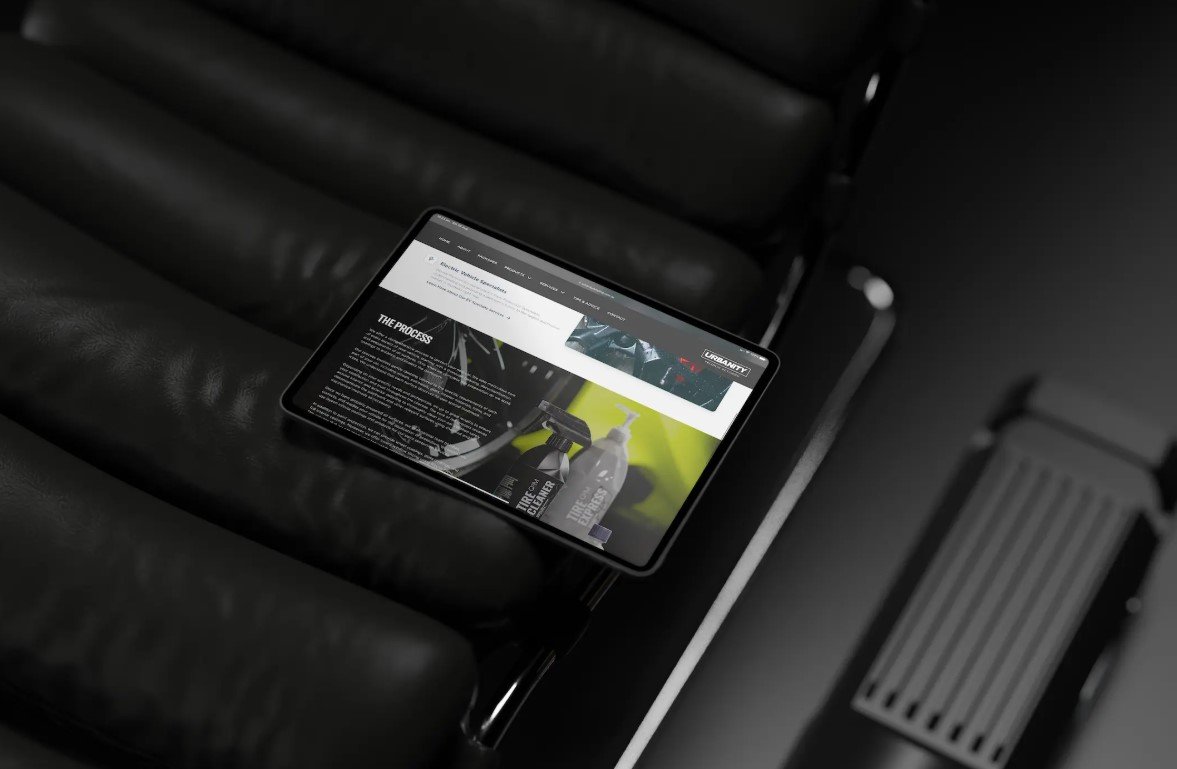
In today’s competitive digital landscape, an auto detailing website is far more than a basic online presence. It plays a critical role in attracting customers, building trust, supporting local SEO, and converting visitors into paying clients. While many auto detailing businesses rely on referrals and repeat customers, the majority of new customers now begin their search online.
An outdated website may appear harmless on the surface, but in reality, it can quietly undermine business growth. From reduced search visibility to lower conversion rates and diminished brand perception, the costs of maintaining an outdated website often go unnoticed—yet they compound over time.
As Sharif Siddique, owner of Detailing Web Studio, explains:
“Many auto detailing businesses underestimate the impact of their website. Even small design or usability issues can silently drive away customers and reduce the ROI of every marketing effort.”
This article explores the hidden financial and operational costs associated with outdated auto detailing websites and explains why modernizing your site is essential for sustainable growth.
This article explores the hidden financial and operational costs associated with outdated auto detailing websites and explains why modernizing your site is essential for sustainable growth.
Loss of Credibility and Professional Perception
First impressions play a decisive role in customer decision-making. When a potential customer visits an auto detailing website, they immediately assess its credibility based on visual design, structure, and usability.
Outdated websites often exhibit:
- Old design frameworks
- Inconsistent layouts
- Poor typography
- Low-quality or stock imagery
- Cluttered navigation
These elements can unintentionally signal a lack of professionalism. Even when a detailing business delivers high-quality services, an outdated website may create doubt in the customer’s mind about reliability, attention to detail, and overall service quality.
As a result, potential customers may choose competitors whose websites appear more current and trustworthy.
Reduced Mobile Usability and Engagement
Mobile traffic now accounts for the majority of searches related to local services, including auto detailing. Google’s mobile-first indexing further emphasizes the importance of a mobile-optimized website.
Outdated websites are frequently not designed with mobile users in mind. Common issues include:
- Non-responsive layouts
- Small or unreadable text
- Difficult navigation
- Poor touch-button spacing
- Slow loading times on mobile networks
When a mobile user encounters these problems, they are far more likely to leave the website without taking action. This results in higher bounce rates, lower engagement, and lost booking opportunities.
Additionally, poor mobile performance negatively affects search engine rankings, further reducing visibility.
Lower Conversion Rates Despite Existing Traffic
An outdated website may still receive traffic through Google searches, referrals, or paid advertisements. However, traffic alone does not generate revenue. Conversion optimization is essential.
Many older auto detailing websites lack:
- Clear calls-to-action
- Prominent contact information
- Simple booking forms
- Logical content flow
Without guiding visitors toward a specific action—such as calling, requesting a quote, or booking a service—potential leads often leave without converting.
Even modest improvements in website structure and usability can significantly increase conversion rates. An outdated website, however, continues to underperform, quietly reducing the return on marketing efforts.
Limited Ability to Attract High-Value Customers
Premium services such as ceramic coating, paint correction, and full detailing packages require a higher level of trust from customers. Website presentation directly influences perceived value.
Outdated websites tend to:
- Undermine premium positioning
- Fail to communicate expertise clearly
- Reduce confidence in pricing
As a result, businesses may attract price-sensitive customers rather than clients seeking high-quality services. This limits revenue potential and forces businesses to compete on price rather than quality.
A modern, professional website helps communicate authority, experience, and value—essential elements for attracting higher-paying customers.
Poor Search Engine Optimization Performance
Search engine optimization (SEO) relies heavily on website structure, performance, and content quality. Outdated websites often lack the technical foundation required for strong SEO performance.
Common SEO-related issues include:
- Slow page loading speeds
- Poor internal linking
- Lack of optimized headings and metadata
- Missing or duplicate content
- Outdated site architecture
These issues make it difficult for search engines to properly crawl, index, and rank the website. Consequently, the business loses visibility for important local and service-based keywords.
Over time, this results in reduced organic traffic and greater dependence on paid advertising or referrals.
Missed Opportunities From Service-Specific Pages
Modern SEO strategies emphasize targeted, service-specific content. Many outdated auto detailing websites rely on a single generic services page, which limits keyword visibility.
Customers commonly search for specific services, such as:
- Interior detailing
- Exterior detailing
- Mobile detailing
- Ceramic coating
- Paint correction
Without dedicated pages for each service, a website is unlikely to rank well for these searches. This results in missed opportunities to capture highly qualified leads who are actively seeking those services.
A modern website structure allows for greater content depth and improved search performance across multiple service areas.
Slow Website Performance and Its Business Impact
Website speed has a direct impact on both user experience and search engine rankings. Even small delays in load time can significantly reduce engagement.
Outdated websites often suffer from:
- Unoptimized images
- Legacy themes and plugins
- Inefficient code
- Low-quality hosting environments
Slow performance increases bounce rates and frustrates users, particularly on mobile devices. Search engines interpret this behavior as a sign of poor user experience, which can negatively affect rankings.
The cumulative effect is fewer visitors, fewer inquiries, and reduced revenue.
Weak Brand Identity and Market Positioning
Brand perception is shaped by consistency, clarity, and professionalism across all digital touchpoints. An outdated website can weaken a business’s brand identity by failing to reflect its current capabilities, values, or service quality.
This can make the business appear:
- Smaller than it actually is
- Less established
- Less competitive
In contrast, a modern website reinforces brand credibility and helps position the business as a reliable, professional service provider. Over time, this strengthens customer recognition and trust.
Inefficient Use of Paid Advertising Budgets
Paid advertising campaigns rely on effective landing pages to convert traffic into leads. Sending paid traffic to an outdated website reduces the effectiveness of these campaigns.
Common issues include:
- Poor user flow
- Confusing layouts
- Lack of conversion-focused design
- Slow loading pages
As a result, businesses may spend money on ads without achieving satisfactory returns. This inefficiency often leads to the mistaken conclusion that advertising does not work, when the real issue lies with the website itself.
Limited Customer Interaction and Lead Capture
Modern websites offer tools that improve efficiency and lead management, such as:
- Online booking systems
- Lead capture forms
- Automated responses
- CRM integrations
Outdated websites often lack these features, relying instead on manual processes. This can lead to missed inquiries, delayed responses, and lost opportunities—particularly during busy periods.
Over time, operational inefficiencies translate into lost revenue and increased administrative burden.
Competitive Disadvantage in a Crowded Market
The auto detailing industry has become increasingly competitive. Businesses that invest in modern digital infrastructure gain a measurable advantage.
Competitors with:
- Faster websites
- Better user experience
- Clear service presentation
- Strong local SEO
Are more likely to attract customers—even if their service quality is comparable. An outdated website places a business at a disadvantage, making it difficult to compete effectively in local search results.
Accumulated Financial Impact Over Time
The true cost of an outdated website is rarely immediate. Instead, it accumulates gradually through:
- Lost leads
- Lower conversion rates
- Reduced average job value
- Increased marketing costs
Even losing a small number of jobs each week can result in significant revenue loss over the course of a year. When viewed from this perspective, the cost of maintaining an outdated website often exceeds the cost of upgrading it.
Conclusion
An outdated auto detailing website does more than reflect an older design aesthetic—it actively limits business growth. From reduced search visibility and lower conversion rates to weakened brand perception and operational inefficiencies, the hidden costs are substantial.
In an environment where customers increasingly rely on digital channels to make purchasing decisions, a modern, well-optimized website is no longer optional. It is a critical business asset that supports credibility, visibility, and long-term profitability.
For auto detailing business owners seeking consistent growth, investing in a modern website is not merely a design upgrade—it is a strategic decision with measurable returns.
