
Dance is an art form built on precision, expression, and physical mastery. Behind every effortless leap, controlled turn, and fluid transition lies a strong, resilient body. While technique classes refine movement quality, Strength Training for Dancers builds the physical foundation that allows dancers to perform safely, consistently, and with confidence across all styles.
Whether you practice ballet, hip-hop, contemporary, jazz, or traditional dance forms, strength training is not about bulking up—it is about enhancing control, balance, power, and endurance. This guide explores why strength training matters for dancers and highlights essential exercises that support performance in every style.
Why Strength Training Matters for Dancers
Many dancers rely heavily on repetition and flexibility, often overlooking muscular strength. However, without adequate strength, the body becomes vulnerable to fatigue and injury. Strength Training for Dancers helps bridge the gap between artistry and athleticism.
Key Benefits of Strength Training
-
Improves balance and stability
-
Enhances jump height and landing control
-
Supports joint health and alignment
-
Reduces the risk of common dance injuries
-
Increases stamina for long rehearsals and performances
Strength training also promotes better posture and movement efficiency, allowing dancers to execute choreography with greater clarity and confidence.
Core Strength: The Center of All Movement
The core is the control center of the body. Every turn, extension, and directional change originates from a stable core. In Strength Training for Dancers, core work goes beyond aesthetics—it is about functional control.
Essential Core Exercises for Dancers
-
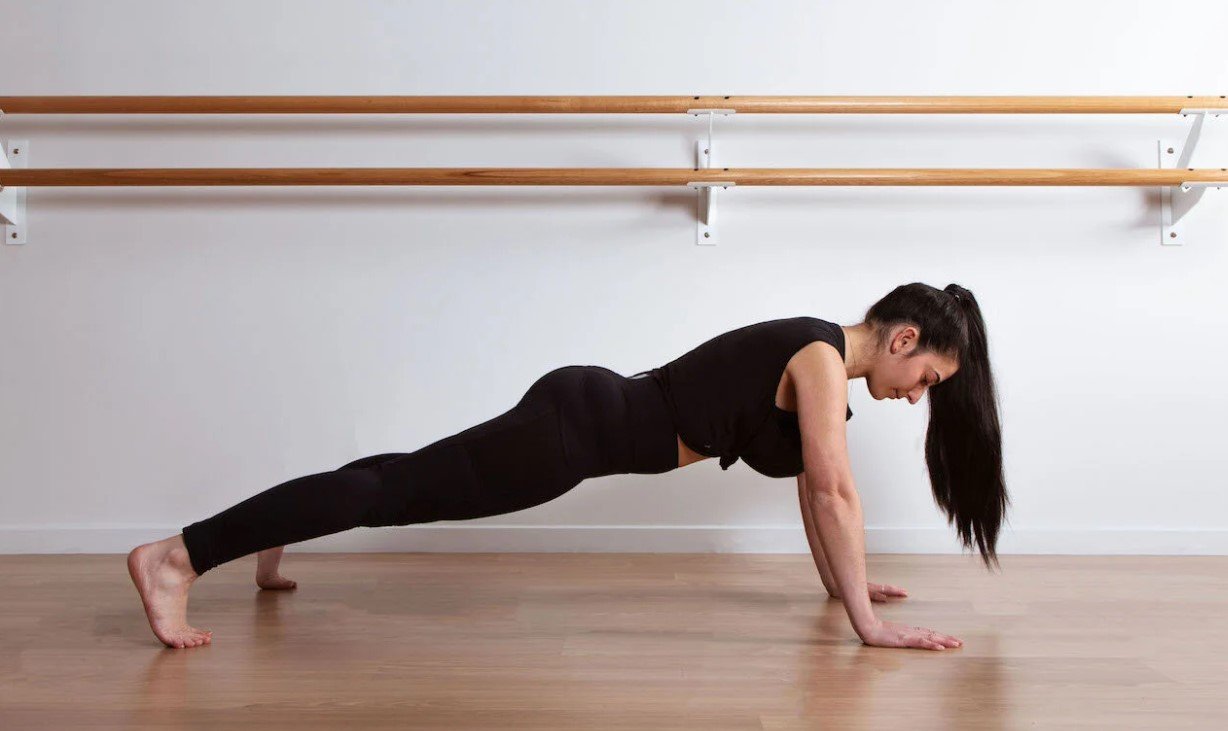
Planks: Build deep core stability and endurance
-
Dead Bugs: Improve coordination between the upper and lower body
-
Russian Twists: Strengthen rotational control for turns and directional changes
-
Bird Dogs: Enhance balance and spinal alignment
A strong core allows dancers to move with precision while protecting the spine during complex movements.
Lower Body Strength: Power, Control, and Endurance
Dancers rely heavily on their legs for jumping, landing, balancing, and traveling across space. Developing lower-body strength is a central focus of Strength Training for Dancers.
Key Lower Body Exercises
-
Squats: Build overall leg strength and support safe landings
-
Lunges: Improve single-leg stability and hip control
-
Calf Raises: Strengthen ankles and feet for relevés and jumps
-
Glute Bridges: Activate glutes for better pelvic stability
Strong legs not only improve performance quality but also reduce stress on the knees and ankles, which are commonly injured areas in dancers.
Upper Body Strength: Support and Expressiveness
Although dance emphasizes the lower body, the upper body plays a vital role in partnering, floor work, and expressive movement. Strength Training for Dancers ensures the arms, shoulders, and back are strong without becoming rigid.
Upper Body Exercises Every Dancer Needs
-
Push-Ups: Build shoulder and arm strength for floor-based movement
-
Resistance Band Rows: Strengthen the upper back and improve posture
-
Shoulder Taps: Enhance shoulder stability and core engagement
-
Wall Angels: Support shoulder mobility and alignment
Upper-body strength helps dancers maintain graceful arm lines while supporting more physically demanding choreography.
Ankle and Foot Strength: The Dancer’s Foundation
Feet and ankles are the most stressed parts of a dancer’s body. Without proper strength, even the most skilled dancer risks overuse injuries. A targeted approach to Strength Training for Dancers must include foot and ankle conditioning.
Foot and Ankle Strengthening Exercises
-
Theraband Point and Flex: Strengthen intrinsic foot muscles
-
Toe Raises: Improve balance and foot articulation
-
Single-Leg Balance Holds: Enhance ankle stability
-
Doming Exercises: Support arch strength and control
Strong feet improve balance, articulation, and shock absorption, especially important for styles that involve frequent jumps or fast footwork.
Strength Training Adapted for Different Dance Styles
Each dance style places unique demands on the body. One of the strengths of Strength Training for Dancers is its adaptability.
Ballet
Focus on core control, turnout support, ankle strength, and postural muscles. Controlled, slow strength exercises work best.
Contemporary and Modern
Emphasize full-body strength, floor work preparation, and joint stability. Functional and multi-directional exercises are ideal.
Hip-Hop
Prioritize explosive leg power, upper-body strength, and endurance. Dynamic strength movements support sharp, grounded choreography.
Jazz and Musical Theatre
Combine lower-body power with upper-body expressiveness and stamina. Strength circuits mirror performance demands.
By tailoring strength work to style-specific needs, dancers enhance performance without compromising artistic integrity.
How Often Should Dancers Strength Train?
Consistency matters more than intensity. For most dancers, Strength Training for Dancers should be incorporated two to three times per week.
Recommended Training Structure
-
20–40 minutes per session
-
Focus on full-body or alternating muscle groups
-
Allow adequate rest between sessions
-
Combine with technique classes and stretching
Strength training should complement dance practice, not replace it.
Common Myths About Strength Training for Dancers
Despite growing awareness, several myths still surround Strength Training for Dancers.
Myth 1: Strength Training Makes Dancers Bulky
Reality: Dancer-focused strength training builds lean, functional muscle, not bulk.
Myth 2: Dance Class Alone Is Enough
Reality: Dance improves skill, but targeted strength training addresses muscle imbalances and injury prevention.
Myth 3: Strength Training Reduces Flexibility
Reality: When done correctly, strength training enhances active flexibility and range of motion.
Understanding these misconceptions allows dancers to approach strength work with confidence and clarity.
Injury Prevention Through Strength Training
One of the most valuable benefits of Strength Training for Dancers is injury prevention. Strong muscles support joints, absorb impact, and maintain alignment under stress.
Strength training helps prevent:
-
Ankle sprains
-
Knee pain
-
Lower back strain
-
Hip instability
By strengthening supporting muscles, dancers can train harder and recover faster.
Final Thoughts: Building Strong, Sustainable Dancers
Dance demands both artistry and athleticism. Without strength, even the most expressive dancer may struggle with consistency and longevity. Strength Training for Dancers is not an optional extra—it is an essential component of sustainable, high-level performance.
By incorporating targeted strength exercises into regular training, dancers of every style can move with greater power, control, and confidence. Strength does not take away from artistry; it enhances it, allowing dancers to express movement fully while protecting their bodies for the long term.
A strong dancer is a confident dancer—and strength training is the key to unlocking that potential.
