
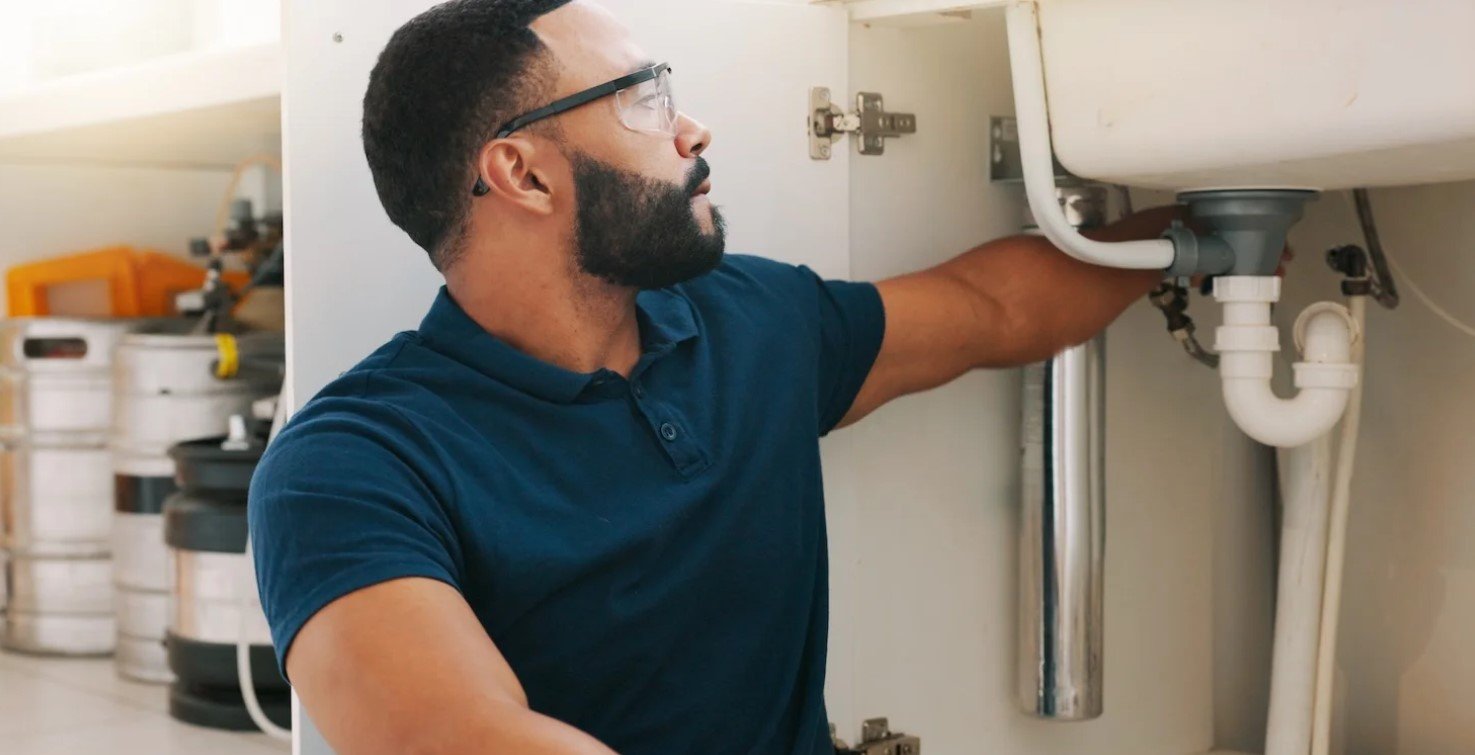
A well-maintained multifamily property doesn’t just happen—it’s the result of strategic planning, consistent effort, and a structured approach to property care. For property owners and managers, developing a Multifamily Properties Preventive Maintenance plan is one of the most effective ways to extend the life of building systems, reduce costly emergency repairs, and improve tenant satisfaction. A preventive maintenance plan helps ensure every unit, common area, and mechanical system performs efficiently throughout the year.
Below is a detailed guide on how to design a dependable and results-driven Multifamily Properties Preventive Maintenance plan that keeps operations smooth and residents happy.
Understanding the Importance of Preventive Maintenance in Multifamily Properties
Preventive maintenance is the proactive process of regularly inspecting, servicing, and repairing property systems before problems occur. For multifamily communities, this approach offers immense advantages: fewer emergencies, lower repair costs, better resident retention, and enhanced property value.
A strong Multifamily Properties Preventive Maintenance plan helps managers stay ahead of small issues such as leaky faucets, HVAC inefficiencies, or roofing wear before they escalate into expensive emergencies. Beyond cost control, it also ensures the property remains compliant with safety standards and local housing codes.
Step 1: Evaluate the Current Condition of Your Property
Before creating a maintenance plan, start with a comprehensive property assessment. Walk through all areas—units, common spaces, basements, and rooftops—and document the condition of critical systems.
Key components to inspect include:
HVAC systems and air ducts
Plumbing and water heaters
Electrical panels and lighting
Roofing and gutters
Elevators (if applicable)
Fire safety systems
Building envelope and insulation
This inspection gives you a clear understanding of your property’s current health. The findings become the foundation of your Multifamily Properties Preventive Maintenance schedule, allowing you to prioritize systems that require immediate attention.
Step 2: Identify Critical Systems and Set Priorities
Not all building components require the same level of attention. Certain systems—like HVAC and plumbing—impact tenant comfort and safety directly, while others, such as landscaping, enhance curb appeal.
When building your Multifamily Properties Preventive Maintenance plan, categorize systems as:
High priority: HVAC, plumbing, fire alarms, and electrical systems.
Medium priority: Roofing, insulation, and structural elements.
Low priority: Aesthetic features, landscaping, and signage.
This prioritization helps allocate resources efficiently and ensures that essential systems receive consistent attention.
Step 3: Develop a Maintenance Schedule
Once priorities are set, create a clear maintenance calendar. Regular scheduling ensures that inspections and services are conducted consistently rather than reactively.
A well-structured Multifamily Properties Preventive Maintenance schedule typically includes:
Monthly Tasks:
Check smoke detectors and emergency lighting.
Inspect HVAC filters and air quality.
Examine plumbing for leaks.
Test security systems.
Quarterly Tasks:
Service HVAC equipment.
Clean gutters and downspouts.
Inspect roofs and window seals.
Lubricate door hinges, elevators, and moving components.
Biannual Tasks:
Check water heaters and boiler systems.
Conduct pest control services.
Repaint high-traffic common areas if necessary.
Annual Tasks:
Perform a full property inspection.
Review electrical panels and wiring.
Test fire alarm systems.
Inspect structural integrity and foundations.
By following a time-based checklist, you’ll create consistency in your Multifamily Properties Preventive Maintenance process and reduce the chances of overlooked issues.
Step 4: Use a Centralized Maintenance Tracking System
Organization is the backbone of any successful maintenance plan. Property managers should implement software or digital tracking tools that store inspection data, maintenance schedules, and work order histories in one place.
Modern property management systems allow you to:
Assign maintenance tasks to staff or contractors.
Track work order progress in real-time.
Schedule recurring preventive inspections.
Store digital records for compliance audits.
Using a tracking system for Multifamily Properties Preventive Maintenance ensures accountability and allows managers to make data-driven decisions. It also helps demonstrate compliance during HUD or local housing inspections.
Step 5: Establish a Budget for Preventive Maintenance
A realistic budget ensures that preventive maintenance remains sustainable over the long term. Allocate funds for routine inspections, minor repairs, and replacements.
Budget planning for Multifamily Properties Preventive Maintenance should account for:
Labor and materials for routine services.
Vendor contracts for specialized systems (HVAC, elevators, etc.).
Emergency reserves for unexpected failures.
Long-term capital improvements (roof replacement, repaving, etc.).
When maintenance spending is predictable, property owners can prevent costly surprises and extend the lifespan of major assets.
Step 6: Train Maintenance Staff and Communicate with Tenants
A preventive plan works only when everyone understands their role. Maintenance teams should receive ongoing training on safety, inspection protocols, and proper repair procedures.
Additionally, open communication with tenants is essential. Encourage residents to report small issues immediately, such as water leaks, flickering lights, or strange noises. Early reporting allows the Multifamily Properties Preventive Maintenance team to act quickly and minimize damage.
Consider creating tenant communication materials such as newsletters or mobile app notifications to keep everyone informed about upcoming maintenance schedules or inspections.
Step 7: Partner with Reliable Vendors and Contractors
Your maintenance strategy is only as strong as the people executing it. Build partnerships with licensed, insured, and experienced contractors who specialize in multifamily property systems.
Whether you need HVAC servicing, electrical inspections, or plumbing upgrades, having trusted vendors ensures that your Multifamily Properties Preventive Maintenance program operates efficiently and safely.
Maintain long-term vendor relationships to receive priority service and competitive pricing. Always verify certifications and check references before hiring new contractors.
Step 8: Monitor, Evaluate, and Adjust the Plan Regularly
A preventive maintenance plan is not static—it evolves as your property ages or as new technologies become available. Review the performance of your Multifamily Properties Preventive Maintenance strategy at least once a year.
Assess:
Are service intervals appropriate?
Are repair costs decreasing over time?
Are tenant complaints related to maintenance declining?
Are systems lasting longer than expected?
If you notice gaps or inefficiencies, adjust the schedule, update inspection protocols, or adopt new management tools. Continuous improvement ensures your property remains competitive and well-maintained.
Step 9: Leverage Technology for Predictive Maintenance
The future of Multifamily Properties Preventive Maintenance lies in technology. Smart building systems, IoT sensors, and AI-based analytics can detect problems before they become visible.
For instance:
Smart HVAC sensors can alert you when filter efficiency drops.
Leak detection devices can notify you of plumbing issues immediately.
Predictive software can analyze maintenance trends to forecast failures.
Integrating technology reduces manual workload, saves energy, and provides real-time insights into property performance.
Step 10: Keep Comprehensive Records and Documentation
Detailed records are essential for transparency and compliance. Every Multifamily Properties Preventive Maintenance task should be logged, including inspection dates, findings, repair details, and contractor information.
Accurate documentation:
Helps during property audits and insurance claims.
Supports warranty management.
Builds a historical performance record of your property’s systems.
Simplifies communication between property managers, owners, and maintenance teams.
Proper documentation transforms your maintenance plan from reactive to data-driven.
Conclusion: A Strategic Approach to Longevity and Tenant Satisfaction
Creating a dependable Multifamily Properties Preventive Maintenance plan isn’t just about fixing problems—it’s about preventing them, ensuring safety, and maintaining a high-quality living environment. By evaluating systems, scheduling regular inspections, budgeting wisely, and leveraging technology, property managers can preserve the value of their investments while improving the daily experiences of residents.
A proactive maintenance culture demonstrates professionalism and commitment to excellence—qualities that attract and retain tenants. When executed well, your preventive maintenance plan becomes more than a checklist; it becomes a powerful asset management strategy for long-term success.
